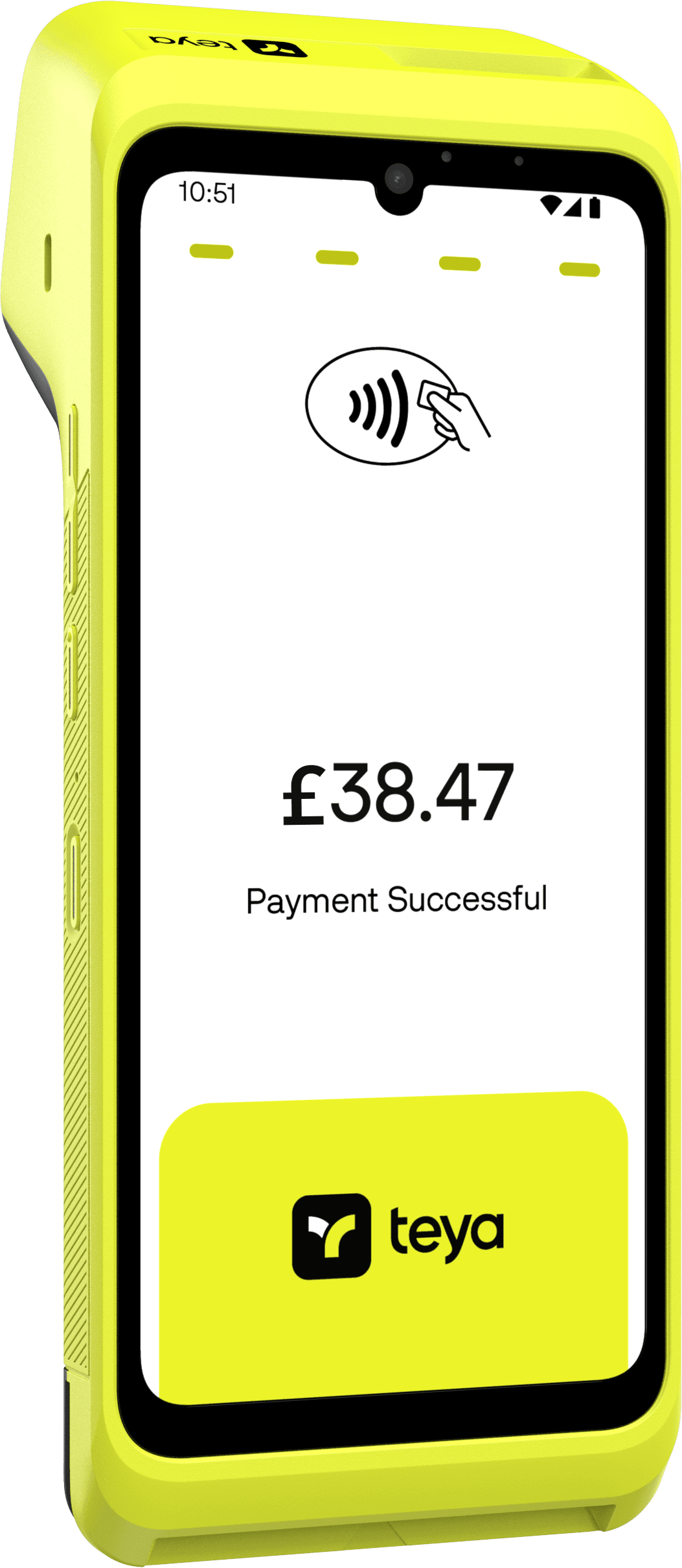
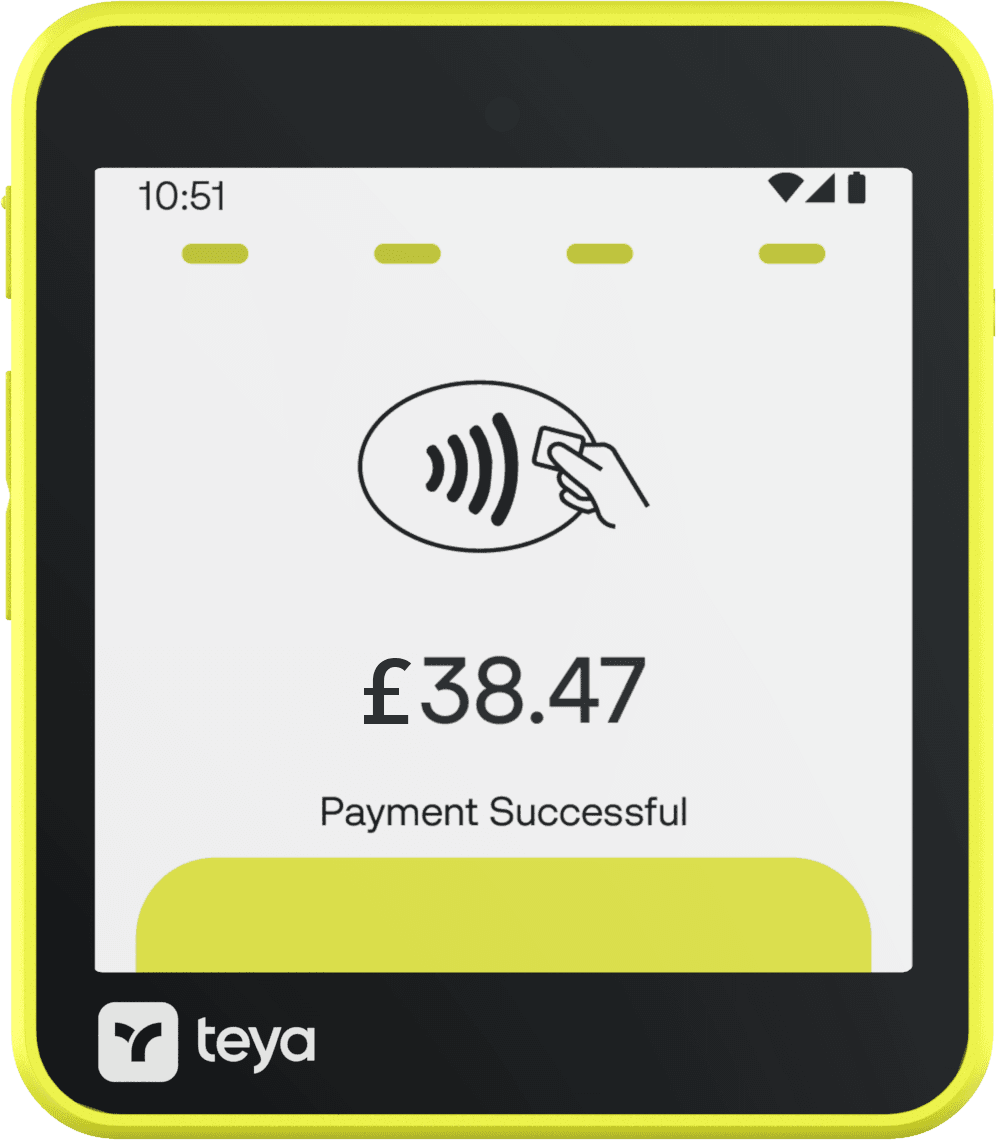
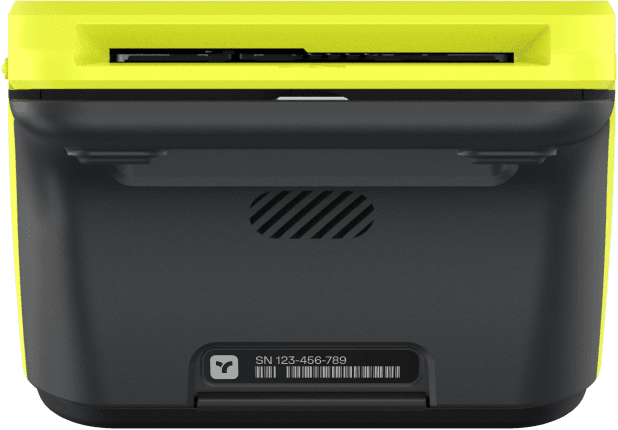
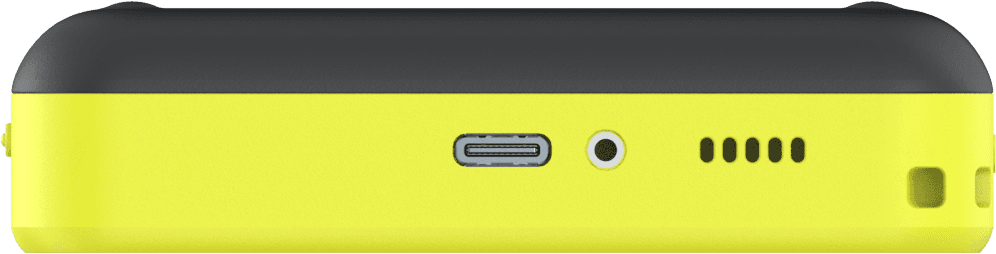
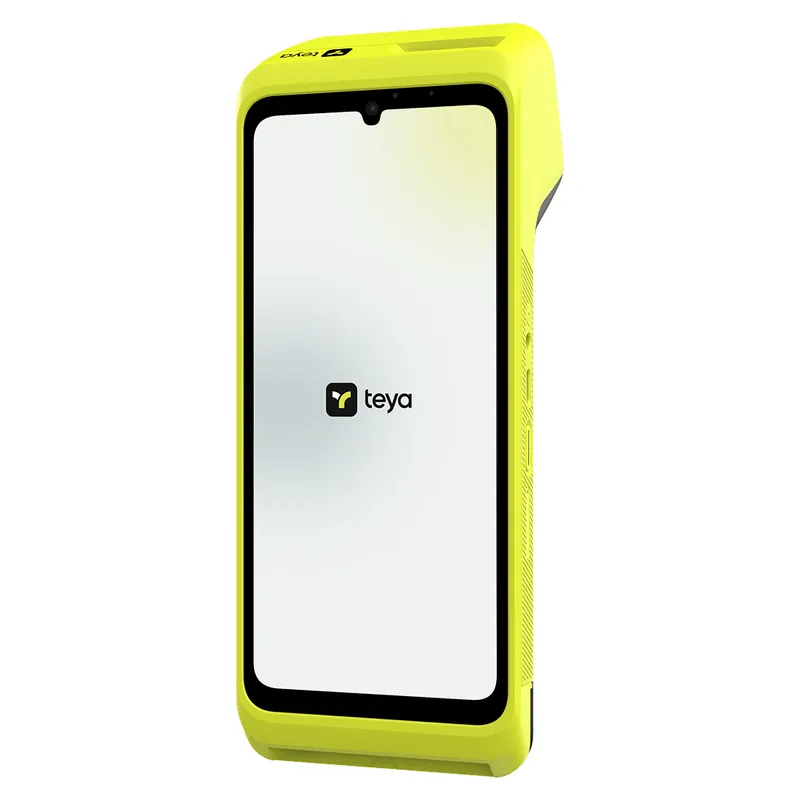
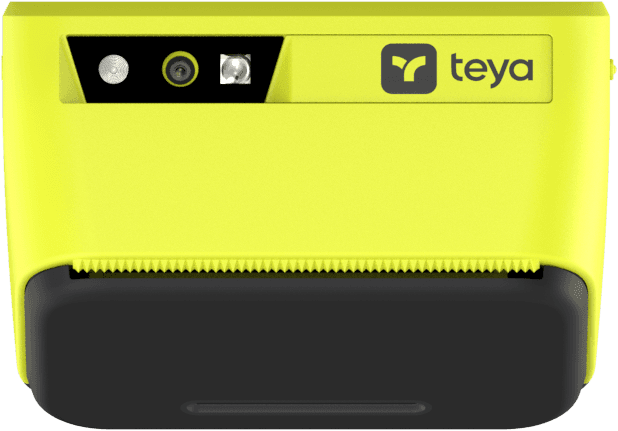
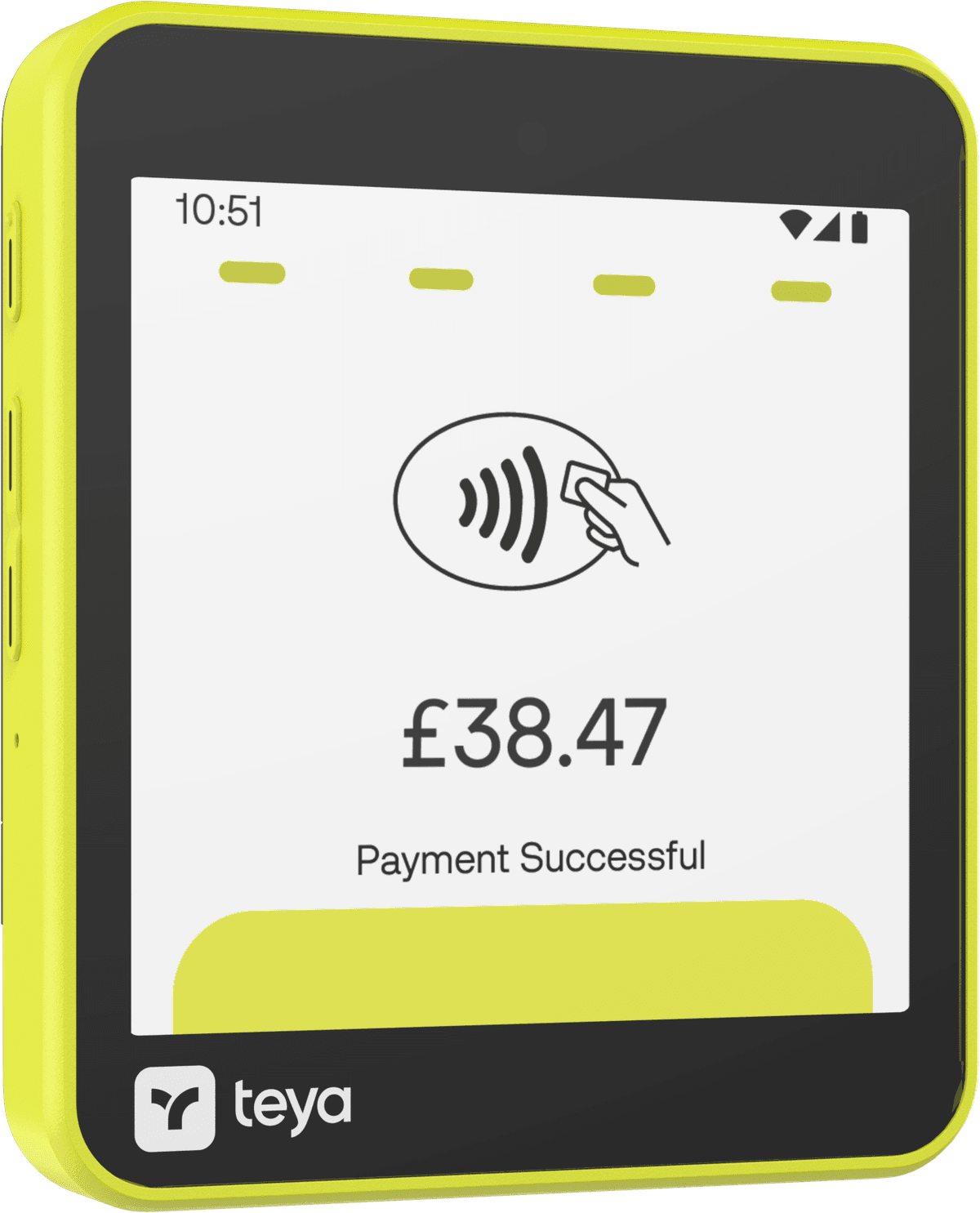
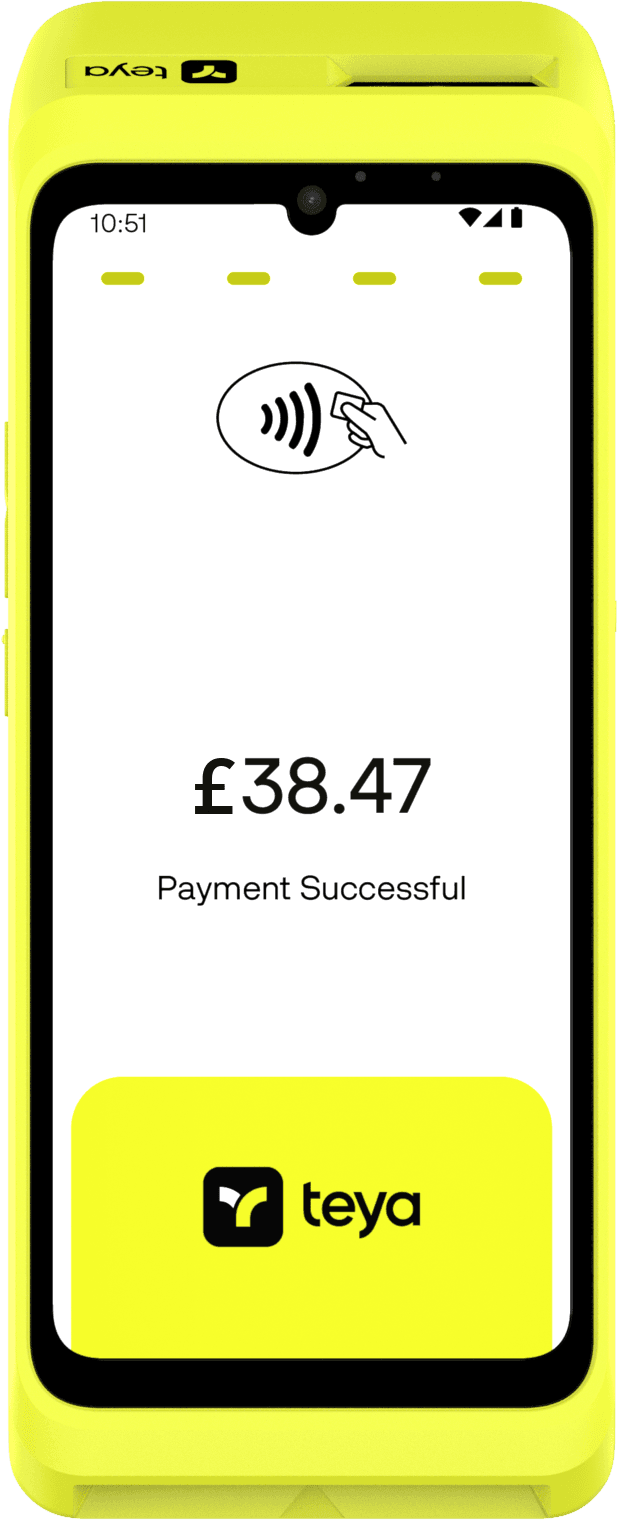
Teya Go is a lightweight, SIM-enabled card terminal built for traders who cannot afford downtime, high fees, or a dead battery at noon on a Saturday.
It is 11:30 on a Saturday morning at a busy farmers' market in Leeds. There is a queue at the artisan bread stall. The trader reaches for her card machine, and nothing happens. The battery is dead. Three customers quietly drift away.
That scenario, frustrating as it sounds, is not unusual. It is the lived reality of tens of thousands of UK market traders, street food vendors, pop-up retailers, and mobile service providers who depend on portable payment terminals every single day. The technology was supposed to make life easier. Too often, it has not.
Teya Go was built to fix that.
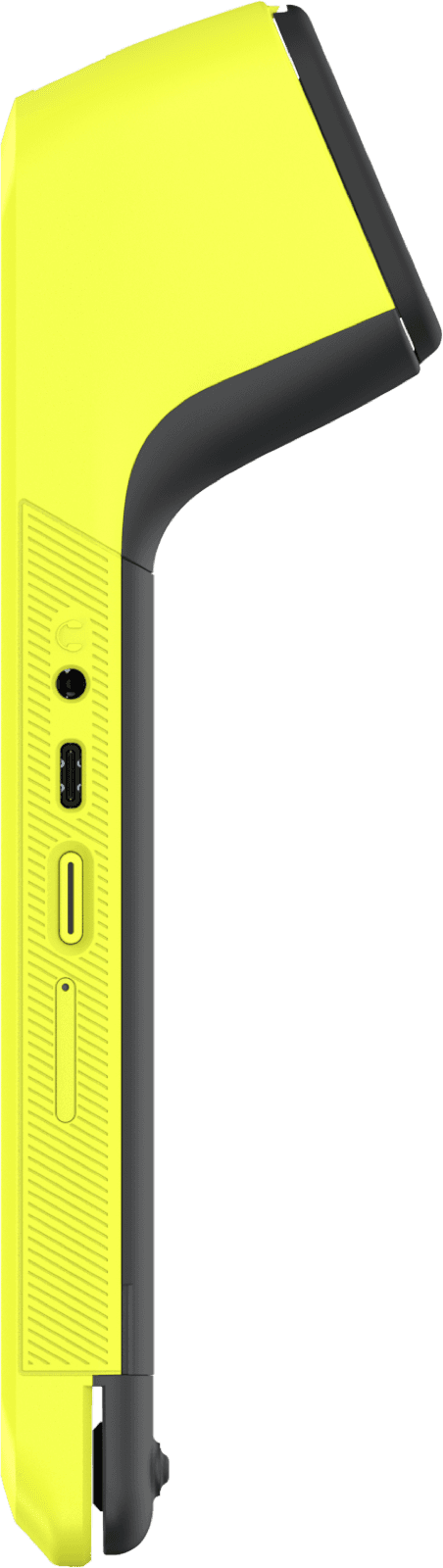
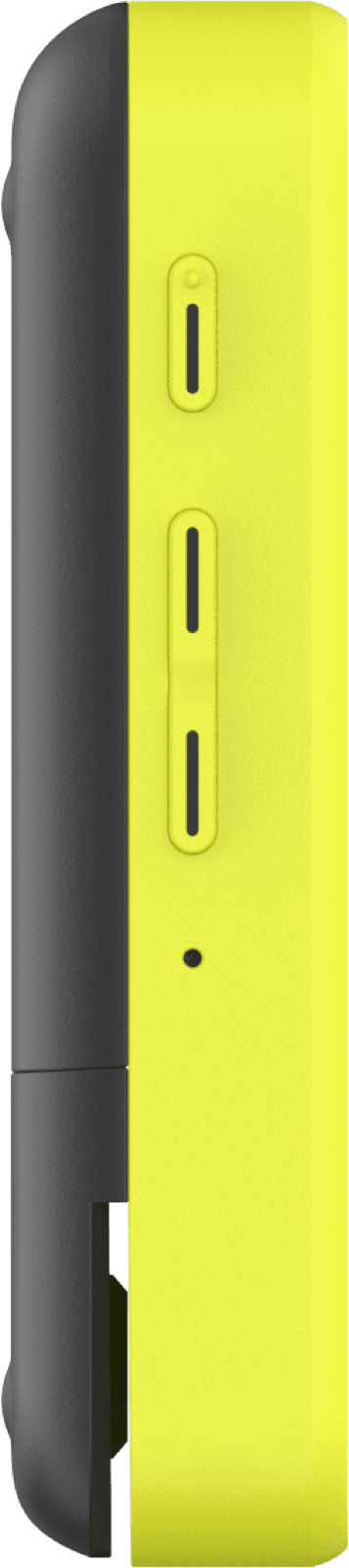
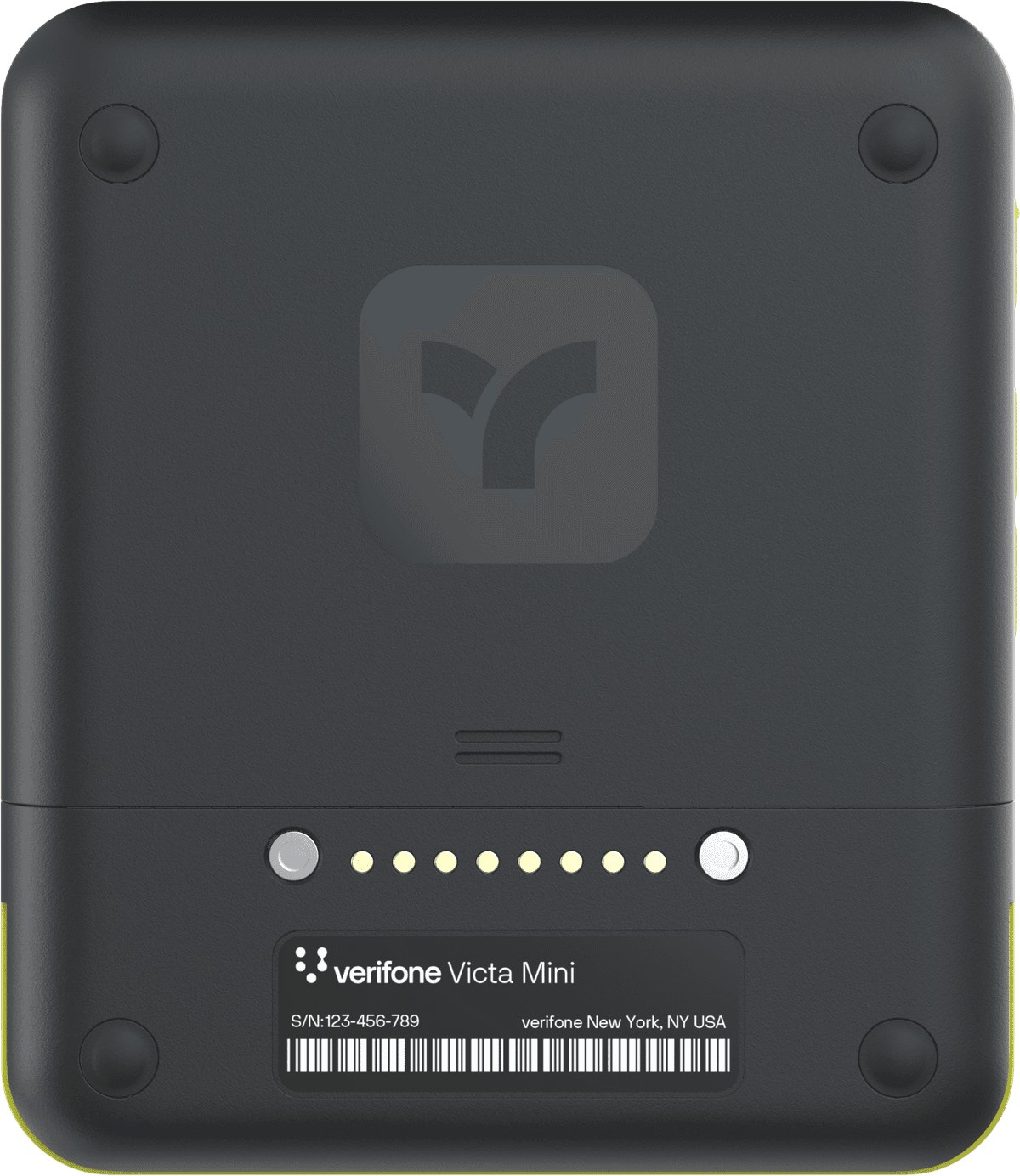
Teya Go is a compact, SIM-enabled card payment terminal designed specifically for merchants who trade on the move. It accepts contactless payments, chip and PIN, Apple Pay, and Google Pay, and it does so without requiring a separate smartphone app or Bluetooth connection to function. The SIM is built in. You take it out of your bag, switch it on, and it works.
The device weighs under 200 grams and fits comfortably in a jacket pocket. For a market trader carrying stock, change floats, packaging, and a flask of tea, every gram and every centimetre of counter space matters.
Most portable card machines rely on a Bluetooth connection to a smartphone, which then uses that phone's mobile data. That is two points of failure instead of one. If your phone battery drops, if signal is patchy in a covered market hall, or if your phone needs a restart mid-trade, your payments stop.
Teya Go carries its own SIM card with multi-network connectivity. It switches between available networks automatically, seeking the strongest signal. For traders at outdoor markets, festival sites, or rural shows where signal can be inconsistent, this is not a minor convenience. It is the difference between trading and not trading.
A standard market day runs eight to ten hours. A busy food festival can stretch longer. Teya Go is built with a battery designed to last a full trading day on a single charge. You charge it overnight, you trade all day. That is the straightforward promise, and it holds up in practice.
Compare that to Bluetooth-dependent devices that drain both the terminal and your smartphone simultaneously, often leaving traders scrambling for a power bank by mid-afternoon.
Teya Go operates on a flat-rate transaction fee with no monthly rental fee on the standard plan. For a market trader turning over, say, £3,000 a month in card payments, the difference between a 1.5% flat rate and a 1.69% rate plus a £15 monthly machine rental is meaningful. Over a year, that gap can represent hundreds of pounds that stay in your pocket rather than disappearing into a payment provider's revenue.
Teya publishes its pricing clearly. There are no interchange-plus pricing structures to decode, no hidden minimum monthly service charges buried in a 40-page contract. That transparency matters, particularly for newer traders still learning to manage cash flow.
Teya Go is a strong fit for any merchant whose primary selling environment is not a fixed premises. That includes:
What these businesses share is a need for reliability over features. They are not looking for a cloud-based EPOS system with inventory management and staff scheduling. They need a device that takes payments fast, holds its charge, connects to a network, and costs a fair amount to run.
According to the Federation of Small Businesses, there are approximately 5.5 million small businesses in the UK. A significant proportion of those operate in sectors where mobile or on-site payment collection is routine. UK Finance data consistently shows that cash usage continues to decline, with card and contactless payments now accounting for the overwhelming majority of consumer transactions in retail and food service.
For market traders specifically, the shift has been sharp. A trader who accepted mostly cash five years ago now finds that a meaningful proportion of customers, particularly those under 40, simply do not carry notes and coins. Refusing card payments is no longer a lifestyle choice. It is a commercial risk.
The average UK market stall trader, based on data from the National Market Traders Federation, turns over between £1,500 and £5,000 per month depending on location, product type, and frequency of trading. At those volumes, payment processing costs are a real line item. A terminal that charges no monthly fee and a competitive per-transaction rate is not a luxury. It is good business sense.
The portable card machine market in the UK has several established players. SumUp, iZettle (now Zettle by PayPal), and Square are the names most traders will recognise. Each has its merits.
SumUp Air and Zettle Reader both rely on a Bluetooth and smartphone combination. They are genuinely good devices for the right use case. However, their dependency on a paired smartphone introduces the connectivity and battery vulnerabilities described above.
Square offers a standalone reader with slightly more built-in functionality but operates on a similar Bluetooth model for its entry-level device.
Teya Go's standalone SIM connectivity is its clearest point of differentiation in this category. For merchants where reliable independent connectivity is the primary concern, that distinction is significant.
Beyond the hardware, Teya's wider ecosystem is worth noting. Merchants who grow into more complex needs can access Teya Pro, a full countertop terminal, as well as a business account that offers 1% cashback on card spending. The platform is built to scale with you, which matters if you start as a market trader and eventually open a fixed premises.
Across independent reviews and merchant feedback collected via Trustpilot and the Teya platform, recurring themes include the speed of onboarding (merchants report being set up and taking payments within 24 hours), the responsiveness of customer support, and the consistency of the hardware in outdoor conditions.
Negative feedback tends to centre on the learning curve for merchants switching from a more feature-rich system, and occasional connectivity delays in very rural settings, which is an honest limitation of any SIM-based device operating outside strong network coverage areas.
No terminal is perfect for every scenario. Teya Go is best suited to traders in areas with reasonable mobile network coverage, which encompasses the vast majority of UK markets, town centres, and events.
Calculate your current monthly processing cost in full. Add your machine rental, your transaction fees, and any additional charges. That is your real baseline.
Think about your trading environment honestly. Do you rely on your smartphone for other tasks while trading? If so, a device that does not drain your phone's battery has genuine value.
Consider your trading volume. If you process fewer than 30 transactions a day, you are unlikely to need advanced EPOS integration. A clean, fast, standalone terminal is probably the right tool.
Ask about settlement times. Teya offers fast settlement, which for traders managing tight weekly cash flow is a meaningful operational advantage over providers that hold funds for two or three business days.
Check whether your current provider ties you to a long-term contract. Many do. Teya's model is designed to avoid that lock-in, which gives you flexibility as your business evolves.
The UK's independent market trading sector has faced considerable pressure over the past decade. Business rates, supply chain costs, the rise of e-commerce, and the lingering effects of the pandemic years have all taken their toll. Margins are tighter. Every operational cost matters more.
Payment processing is one of the few costs in a trader's life that is both significant and genuinely negotiable. The technology has improved dramatically. The competition between providers has driven fees down. And devices like Teya Go represent a genuine step forward in reliability and value for the mobile merchant.
The question for any trader still clinging to an older contract or a less capable device is a simple one: how much has that arrangement cost you this year, in fees, in lost sales during downtime, and in the time you have spent troubleshooting rather than selling?
If the answer is uncomfortable, it is probably time to look at what the market now offers.
Klipy UK is a registered partner of Teya. If you would like to explore whether Teya Go or another Teya product is right for your business, get in touch with the Klipy team for an honest, no-obligation conversation.
Sources
Disclaimer
The views and information shared in this post are for educational and informational purposes only and do not constitute financial, legal, or professional advice. While every effort is made to ensure accuracy, Klipy UK Limited accepts no liability for decisions made based on this content. Payment processing rates, regulations, and product features referenced are subject to change. Klipy UK is an authorised seller of Teya payment solutions. Where third-party sources are cited, links are provided for reference; Klipy UK does not endorse or guarantee the accuracy of external content. For personalised guidance on your business payment needs, please contact us directly at editor@klipy.uk.
Found this helpful? Share with your network:
This content is published by Klipy UK, a Teya-authorised reseller of payment solutions. The views expressed are for informational purposes only and do not constitute financial advice. All content is the intellectual property of Klipy UK. Reproduction without permission is prohibited.
See exactly how much you could save. Upload your statement or enter your monthly turnover-instant results, no obligation.
Try Calculator